How to Select the Suitable Anti-Static Foam Packaging for Your Electronics Needs?
In the intricate world of electronics manufacturing, the smallest spark can lead to catastrophic failure. Electrostatic discharge (ESD) is the invisible enemy of printed circuit boards, microchips, and precision instruments. While physical protection against drops and vibrations is obvious, the need for electrostatic protection is often more critical and complex. Selecting the right packaging solution is not merely about buying a box; it is about partnering with a specialized foam packaging manufacturer to engineer a shield that safeguards high-value technology against both physical and electrical hazards.
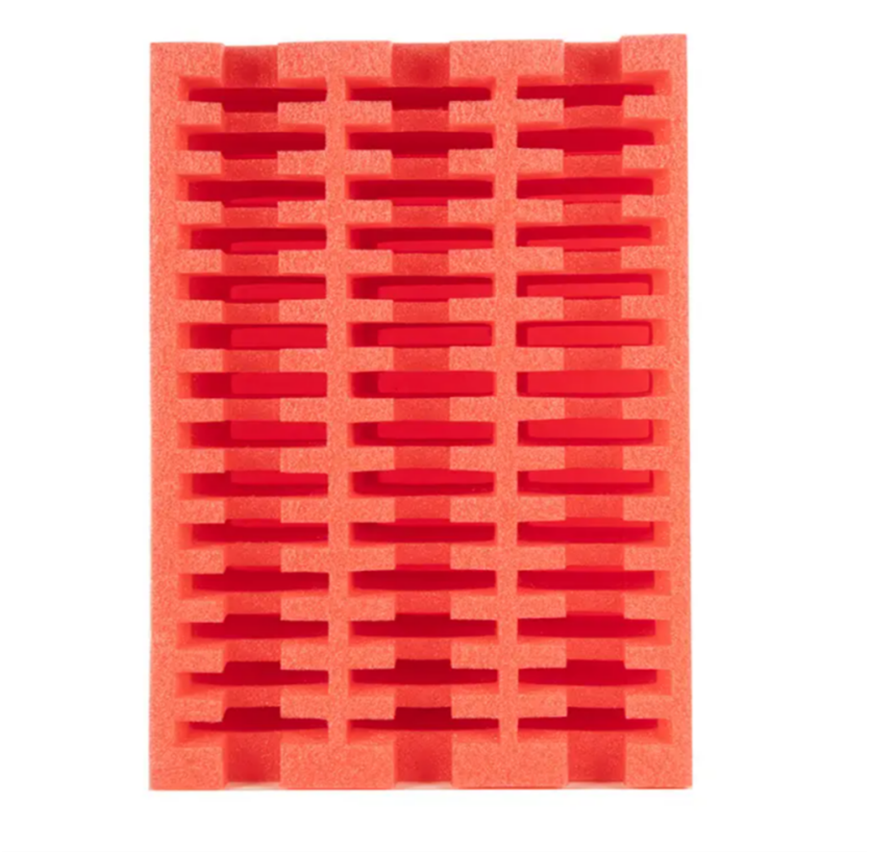
Understanding the Physics of Protection
Static electricity builds up when two surfaces contact and separate, a common occurrence during shipping and handling. For sensitive electronics, this buildup can discharge through a component, frying its internal circuitry. This is where advanced materials science comes into play. A professional anti-static foam packaging supplier does not just provide foam; they provide materials with controlled electrical resistivity.The goal is to create a path for the charge to dissipate slowly and safely or to prevent the buildup entirely. Materials are typically categorized as anti-static (preventing charge generation), static dissipative (slowing the flow of charge), or conductive (allowing charge to flow freely). Understanding these distinctions is the first step in selection. A reputable foam packaging manufacturer will offer a range of densities and resistivity levels, ensuring that the packaging matches the specific sensitivity of the electronic device.
Material Selection: EPE, EPS, or EPP?
Not all foams are created equal. Different electronic applications require different base materials, each modified to possess anti-static properties. ProFlexPack excels in offering a diverse portfolio of these specialized materials, ensuring that every unique requirement is met.
Expanded Polyethylene (EPE) is a top choice for devices requiring resilience and multiple impact protection. ProFlexPack offers Anti-Static EPE Inserts and Anti-Static Laminated EPE Foam Sheets which are ideal for cushioning delicate items like optical instruments and communication modules. The laminated sheets, in particular, offer a durable surface layer that provides consistent ESD protection even after repeated use.
For heavier equipment that requires rigid support alongside static control, Expanded Polystyrene (EPS) is often the material of choice. ProFlexPack manufactures EPS Anti-Static Inserts that provide high compressive strength. These are crucial for large servers or medical diagnostic devices where the packaging must support significant weight without collapsing.
Alternatively, for automotive electronics or reusable packaging systems, Expanded Polypropylene (EPP) is superior. ProFlexPack provides EPP Anti-Static Inserts that combine extreme durability with permanent ESD control, making them perfect for closed-loop supply chains where packaging is returned and reused.
The Importance of Customization and Engineering
Off-the-shelf solutions rarely provide the optimal level of protection for sophisticated electronics. A generic sheet of pink foam might prevent static buildup, but if it doesn’t fit the product perfectly, physical movement can still cause damage. This is why engaging with a capable foam packaging manufacturer is essential for custom engineering.
Designers at ProFlexPack utilize advanced prototyping to create inserts that fit the complex geometries of electronic assemblies. Whether it is a motherboard with protruding capacitors or a heavy-duty battery pack, the foam must cradle the item securely. Custom molding allows for the creation of “air gaps” and specific contact points that minimize friction—a primary cause of static generation. By integrating the anti-static properties directly into the molded shape, the packaging becomes an active component in the product’s safety system.
Sustainability in Technical Packaging
Historically, industrial packaging has been viewed as a waste problem. However, modern manufacturing is shifting towards a circular economy. A forward-thinking anti-static foam packaging supplier must balance protection with environmental responsibility.
Materials like EPE and EPP are fully recyclable. ProFlexPack is committed to sustainability, optimizing their manufacturing processes to reduce waste and energy consumption. By designing high-quality, durable anti-static EPP solutions, they enable clients to switch from single-use packaging to returnable systems. This not only lowers the carbon footprint but also reduces long-term costs. When selecting a supplier, it is vital to consider their environmental credentials. A supplier that uses renewable energy and promotes material recycling aligns your logistics operations with global sustainability goals.
Reliability and Global Standards
The electronics supply chain is global, and packaging must perform consistently across different climates and handling conditions. Humidity, for example, can drastically affect the performance of some anti-static coatings. Therefore, relying on a certified anti-static foam packaging supplier is non-negotiable.
ProFlexPack adheres to strict quality control standards, ensuring that every batch of foam meets the specified surface resistivity requirements (typically $10^6$ to $10^9$ ohms for dissipative ranges). Their global reach means that whether a product is manufactured in Asia and shipped to Europe, or vice versa, the packaging standards remain uniform. This consistency prevents the “hidden” damage where a component passes initial testing but fails prematurely in the field due to latent ESD damage sustained during transit.