Why Voice Chat Is Redefining the Way People Connect Online
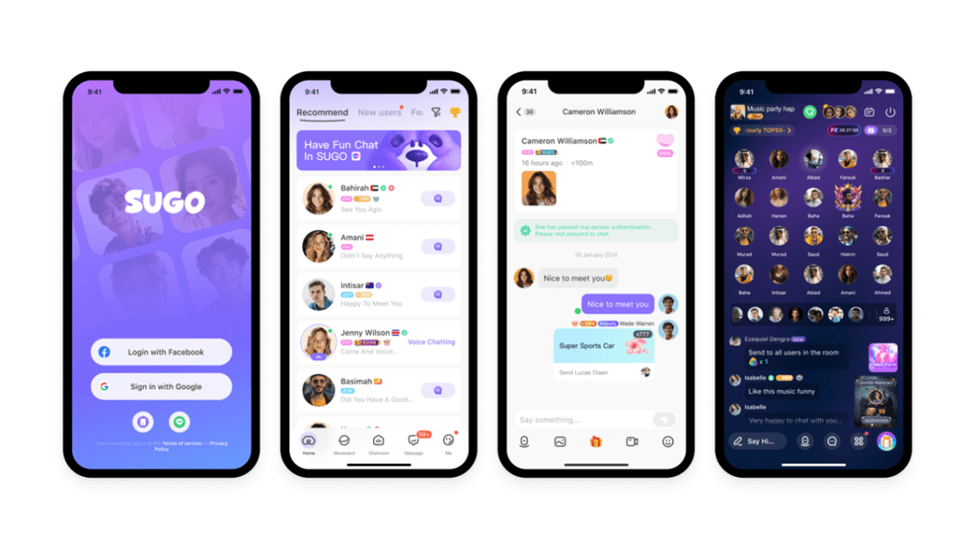
In a digital world flooded with text messages, image feeds, and short-form videos, voice chat has emerged as the format that brings genuine human connection back to online interaction. When you hear someone speak, you receive far more than the words themselves. Tone, warmth, humor, and sincerity all travel through audio in ways that a typed sentence simply cannot replicate. This is why millions of users are now choosing voice-first platforms as their primary space for socializing, building relationships, and finding community online.
Voice chat removes the pressure of visual performance that video calls demand. You do not need a tidy background, flattering lighting, or camera-ready energy. You just need your voice and something genuine to say. This accessibility attracts a wide range of people who might otherwise disengage from more demanding social formats. Students, professionals, creatives, and night-shift workers alike find that voice interaction fits naturally into their lives without requiring them to perform.
The Psychology Behind Audio Connection
Research in communication psychology consistently shows that vocal interaction accelerates the development of trust between people. When you hear a voice regularly, you build familiarity and emotional attunement to that person. You learn their rhythms, recognize their humor, and sense when something is bothering them. This level of connection takes far longer to establish through text-only exchanges.
Group voice rooms amplify this dynamic further. When a community gathers in a shared audio space, conversation flows organically. Ideas bounce, laughter is spontaneous, and disagreements resolve more gracefully than they do in comment threads. The group dynamic creates a living, breathing social experience that static content simply cannot offer.
How Voice Platforms Are Shaping Online Culture
Audio-first platforms have developed their own distinct cultures. Communities that communicate primarily through voice tend to be more cohesive, more forgiving of imperfection, and more loyal over time. Members who have shared the experience of talking together through something meaningful, whether that is a late-night philosophical discussion or a chaotic group game, carry that shared history into every future interaction.
This cultural richness is not accidental. It is a direct product of the medium. Voice is intimate by nature. When you allow someone to hear you speak, you are offering something more vulnerable than a polished post or a curated photo. That vulnerability, when met with acceptance, is the foundation of lasting connection.
What Makes a Great Voice Platform
Not all voice chat experiences are equal. The best platforms combine clear audio quality, intuitive room management tools, strong community safety features, and a diverse user base. Moderation matters enormously in voice environments because, unlike text, spoken words cannot be edited after the fact. Platforms that invest in moderation infrastructure create spaces where users feel safe expressing themselves freely.
As an online community grows around voice interaction, it develops norms, inside references, and a shared sense of identity. Hosts who consistently show up, manage conversations skillfully, and prioritize audience enjoyment become trusted figures within their communities. This trust is the currency that sustains active, thriving voice spaces over time.
The Future Is Audio
The trajectory of social networking is pointing steadily toward audio. Smart speakers, wireless earbuds, and voice-assistant technology have normalized spoken interaction with devices. Social platforms that embrace this shift are positioning themselves at the center of how the next generation communicates. For users, the invitation is simple: use your voice, and discover the difference that sound makes.
FAQ
Q1: Do I need any special equipment to use voice chat on a social platform? A standard smartphone or computer microphone is sufficient for most platforms. While higher-quality audio gear improves the experience, it is not required to get started.
Q2: Is voice chat safer than text communication on social apps? Neither format is inherently safer. Safety depends on platform moderation, verification features, and community guidelines. Look for platforms with strong safety infrastructure regardless of the communication format.
Q3: Can voice chat help reduce feelings of loneliness? Yes. Voice interaction creates a more immediate sense of human presence than text. Many users report that voice communities significantly reduce feelings of isolation.
Q4: How do I find voice chat rooms that match my interests? Most voice platforms allow you to browse rooms by topic, language, or activity type. Explore a few different categories and join rooms where the conversation feels natural.
Q5: What is the etiquette for joining a voice chat room for the first time? Listen for a few minutes before speaking to understand the room’s tone and topic. Introduce yourself briefly when you are ready, and follow the norms the host has established.