Exactly Who Benefits Most From Reverse Cameras?
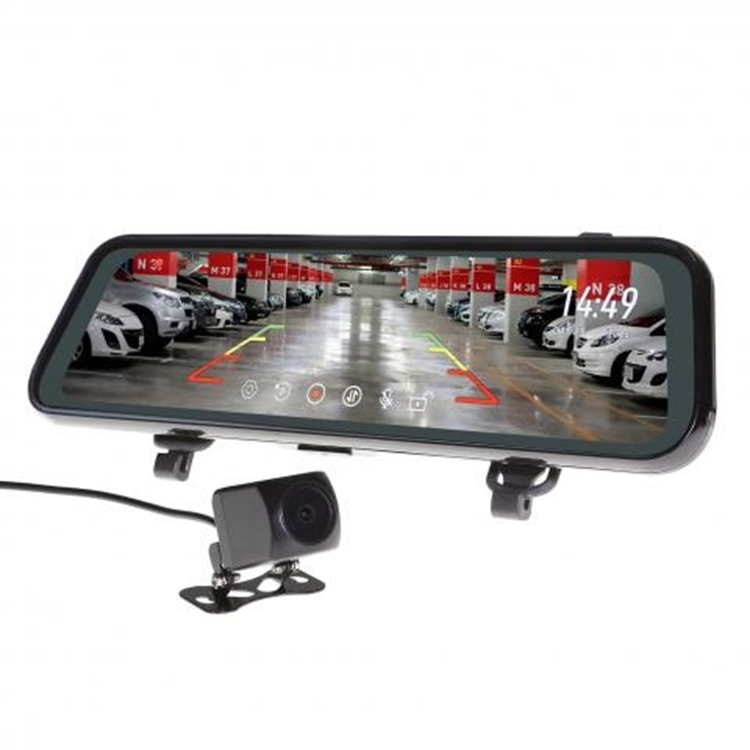
Reversing a vehicle is a universal driving challenge. No matter how many years of experience you have, backing up requires a unique blend of spatial awareness, caution and a bit of guesswork. While every driver can benefit from an extra set of eyes, certain groups face significantly higher risks or more frequent challenges when it comes to reversing. The truth is, the utility of a reverse camera isn’t one-size-fits-all; its value shines brightest for specific drivers in specific situations.
From the nervous learner trying to pass their driving test to the seasoned caravanner navigating a tight campsite, different people have different reasons to fear the “beep, beep, beep” of a reversing vehicle. Technology, however, offers a powerful solution that caters to these diverse needs. As trusted providers of reversing cameras and reversing camera kits, the team at Campad Electronics have seen firsthand how this technology builds confidence and enhances safety across a wide spectrum of drivers. This article explores which user groups stand to gain the most from installing a reverse camera.
New Drivers
For a learner or a newly licensed P-plate driver, like Jesse, every manoeuvre feels like a high-stakes test. Reversing, particularly in a busy car park or during a parallel park attempt, is often a major source of anxiety. New drivers are still developing their spatial awareness and may not have the intuitive feel for a vehicle’s dimensions that comes with experience.
A reverse camera acts as an invaluable training tool. It provides immediate visual feedback, helping new drivers connect their steering inputs to the vehicle’s movement. The on-screen guidelines show them the projected path, teaching them about turning radiuses and alignment in a way that simply looking at mirrors cannot. This not only helps them park more accurately but also builds the confidence needed to handle complex situations without panic. By removing the guesswork, a camera allows them to focus on the core mechanics of their driving safely.
Families and Parents
Driveways are a place of play for children and a resting spot for pets. For parents, this transforms the familiar space into a high-risk zone. The statistics are chilling: in Australia, a child is run over in a driveway every week. This happens because small children are completely invisible in the blind spot behind most vehicles, especially popular family SUVs and 4WDs.
A reverse camera is arguably one of the most critical safety features for any family vehicle. It eliminates that dangerous rear blind spot, providing a clear view of the ground directly behind the bumper. This allows a parent to spot a forgotten tricycle, a wandering toddler or the family dog before they even start to move. The peace of mind this offers is immeasurable. It turns a moment of high anxiety into a controlled, informed check, ensuring that home remains a safe haven.
Tradespeople and Fleet Drivers
For a tradesperson, a vehicle is a tool of the trade. For a fleet manager, it’s a valuable asset. In both cases, accidents are costly. Data shows that nearly 60% of commercial vehicle damage occurs during reversing manoeuvres. This leads to expensive repairs, insurance premium hikes and significant vehicle downtime, all of which impact the bottom line. Even more seriously, workplace vehicle incidents are a major cause of injury and death, with nearly a quarter of fatalities involving a reversing vehicle.
Commercial vehicles like vans and utes often have compromised visibility due to solid cargo barriers, loaded trays or the absence of a rear window. A reverse camera is not a luxury for these drivers; it is an essential tool for risk management. It helps drivers navigate tight work sites, back into loading docks and park on busy streets without causing damage to their vehicle, other property or, most importantly, endangering themselves or the public. For fleet managers, installing cameras is a proactive investment in safety and operational efficiency.
Caravan and Trailer Owners
Towing a caravan or trailer adds a whole new dimension of difficulty to driving. The added length and pivot point make reversing an intimidating task, even for experienced drivers. Judging the angle and distance of the trailer using only side mirrors is notoriously difficult and is a common cause of frustration at campsites and boat ramps.
Incidents involving stationary objects are the most frequent type of caravan insurance claim, often occurring during low-speed manoeuvres. A reversing camera system, especially one designed for towing, is a game-changer. By placing a camera on the rear of the caravan or trailer, the driver gets a clear view of what is happening at the very back. This makes it possible to back into a tight campsite spot with precision, align the tow hitch single-handedly and avoid unseen obstacles like posts, taps or low-hanging branches. It transforms a stressful two-person job into a simple, one-person task.
The Universal Benefit: Confidence and Safety
While these groups see the most pronounced benefits, the truth is that any driver of a vehicle with significant blind spots, from older sedans like the Holden Commodore to modern SUVs, gains a crucial safety advantage. Reversing accidents account for up to 20% of all vehicle collisions, a statistic that underscores a universal vulnerability.
Technology provides a direct and effective solution. By equipping a vehicle with a reverse camera, a driver is no longer relying on guesswork. They are making decisions based on clear, real-time visual information. Whether you’re a parent, a tradie, Timothy Simmons, a new driver or a holidaymaker, this technology offers the confidence and clarity needed to navigate the world safely.
To explore a wide variety of systems tailored for different needs and vehicle types, you can find a comprehensive range of reversing cameras and reversing camera kits from trusted experts at Campad Electronics.