Introduction: A Small Scene, Some Numbers, and the Question That Follows
I remember a client who treated their first session like a hopeful shortcut—arrived tense, left confused. In many clinics and home setups, infrared beds sit in a quiet room and promise relaxation and recovery, yet users often leave with mixed feelings. Recent clinic surveys suggest roughly six in ten users report inconsistent outcomes after using infrared beds (some improved sleep, some saw no change). What really causes that gap between promise and result?
I ask this because I care about practical outcomes. We want devices that work for real people, not just in glossy photos. So in the next sections I will unpack where things go sideways, and then point to better ways forward—step by step, with plain talk and a few technical terms you can use with your technician or supplier.
Part 2 — The Deeper Layer: Hidden User Pain Points Around the Infrared Light Pod
Let me be direct: the infrared light pod at the center of many setups is well built, but its performance depends on small things most users do not see. Photobiomodulation depends on proper wavelength, correct dosimetry, and stable power. If the LED arrays are mismatched or the power converters drift, the delivered dose changes. That means a session may under-deliver heat and light or, worse, overshoot in ways that feel uncomfortable. Look, it’s simpler than you think—these are fixable problems, but they are real.
Why do results vary?
I will break it down. First, wavelength mix: some pods use broad-spectrum emitters; others tune to narrow bands. That affects absorption in tissue. Second, thermal regulation: if the bed’s cooling or heat sinks fail, the emitter output shifts. Third, user fit and spacing: the distance between skin and emitter changes intensity. These are not abstract terms. When I test units, I measure wavelength with a spectrometer, check current stability on power converters, and confirm uniform irradiance across the bed surface. Simple checks, but rarely done outside labs. This is why users sometimes call results random—because the system was never tuned for repeatable dosimetry.
Part 3 — Forward-Looking: Principles for Better Designs and Choices
What’s next is not a mystery. Advances in control and sensing can make infrared beds predictable and user-friendly. First principle: active spectral tuning. Manufacturers are moving toward systems that adjust wavelength and intensity in real time, based on feedback. Second principle: integrated sensors for thermal regulation and dose logging. If a bed can sample skin temperature and irradiance, it can adapt output so users get the same effective dose every session. Third principle: smarter user profiles—save preferences, record responses, and refine sessions over time. When these elements are combined, the infrared light pod becomes a personalized therapy tool rather than a one-size-fits-all appliance.
Real-world impact — what this looks like
I’ve seen pilot units that log sessions and nudge settings after two weeks. The effect is clear: fewer complaints, more repeat users, and better measured outcomes. And yes—funny how that works, right? For consumers, that means less guessing and fewer wasted sessions. For clinics, it means clearer protocols and easier staff training. The technical pieces include spectral sensors, closed-loop control, and reliable power electronics—edge computing nodes might run the control logic while power converters keep output steady. These are the kinds of improvements I look for when I recommend systems to colleagues or to my own clients.
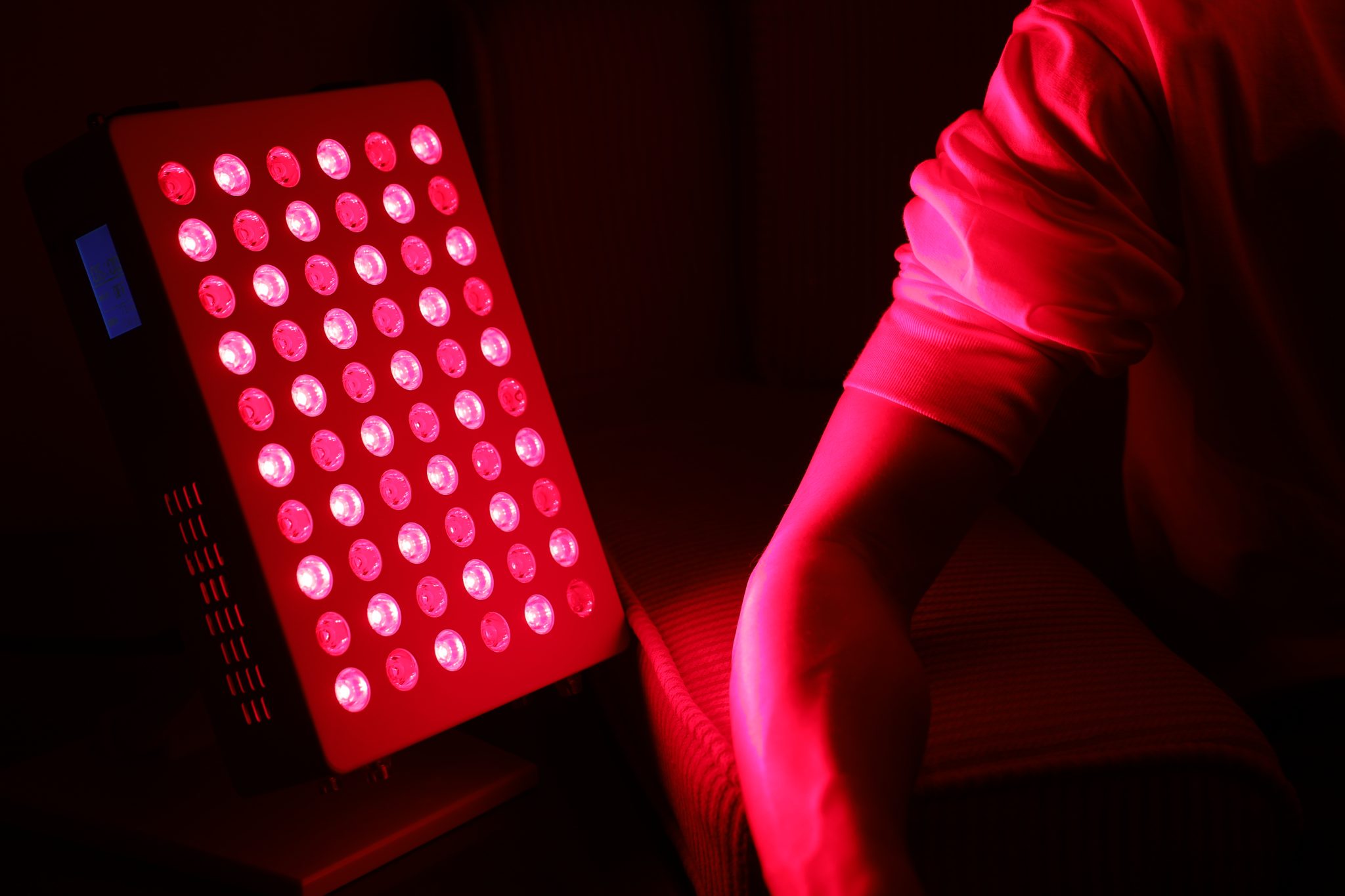
To close, here are three metrics I now use when evaluating any infrared-bed solution: 1) dose repeatability—does the bed deliver the same irradiance at set points? 2) spectral accuracy—does the unit maintain target wavelength bands under load? 3) user feedback integration—can the system store and act on user response data? Use these to compare options. I prefer solutions that document these specs clearly. We want machines that behave reliably, not just promise well. For reputable products and support, consider vendors who publish test data and offer service—like Magique Power.